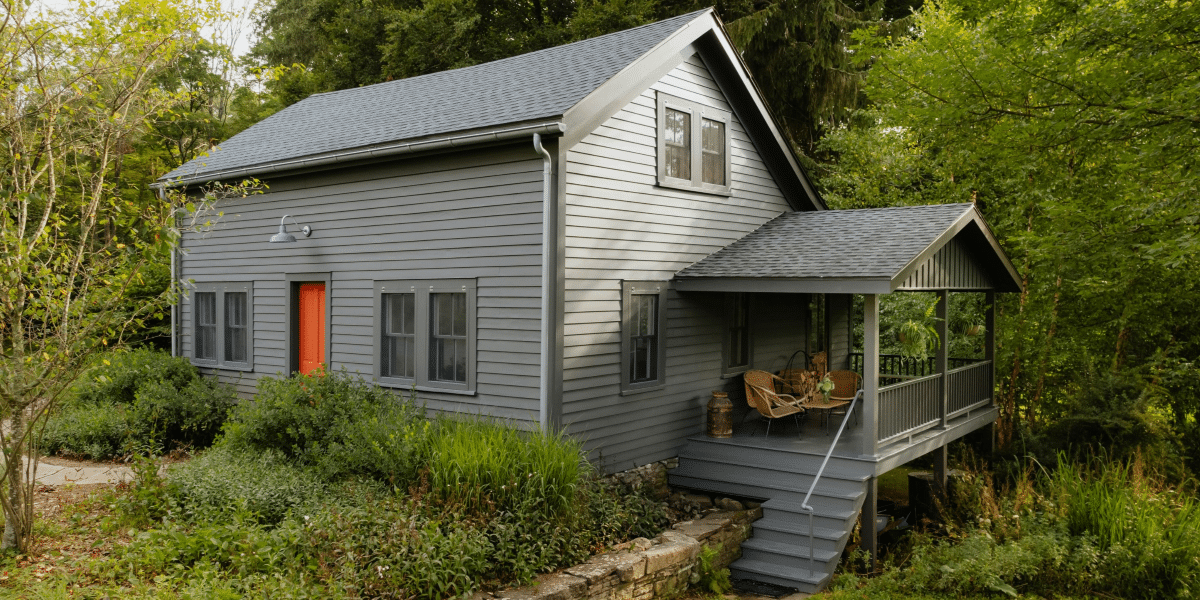
Delve into the realm of roofing and siding, crucial components that shape the essence of a building. From their structural significance to the aesthetics they provide, this guide unveils the secrets behind these essential elements.
Discover the different materials used, the installation process, maintenance tips, and how they impact energy efficiency, all in one place.
Importance of Roofing and Siding
Roofing and siding play a crucial role in the overall structure of a building, providing protection against external elements and enhancing its aesthetic appeal. Investing in high-quality materials for roofing and siding can offer numerous benefits in terms of durability, energy efficiency, and overall property value.
Protection and Structural Integrity
- Roofing and siding act as a protective barrier against harsh weather conditions such as rain, snow, wind, and UV rays, preventing damage to the interior of the building.
- Properly installed roofing and siding contribute to the structural integrity of the building, ensuring stability and longevity.
- High-quality materials can resist wear and tear, reducing the risk of leaks, mold growth, and other structural issues.
Aesthetic Appeal and Property Value
- Well-maintained roofing and siding enhance the curb appeal of a property, making it more visually appealing and attractive to potential buyers.
- Choosing the right colors, styles, and textures for roofing and siding can significantly increase the overall value of the property.
- Investing in premium materials can also improve energy efficiency, reducing heating and cooling costs in the long run.
Types of Roofing and Siding Materials
When it comes to roofing and siding, there are various materials available to choose from, each with its own unique characteristics and benefits. Let's explore some of the most common options used in construction.
Roofing Materials
- Asphalt Shingles: Known for their affordability and ease of installation, asphalt shingles are a popular choice among homeowners. They come in a variety of colors and styles, making them versatile for different architectural designs.
- Metal Roofing: Metal roofs are highly durable and long-lasting, offering excellent protection against harsh weather conditions. They are also energy-efficient and environmentally friendly.
- Wood Shingles/Shakes: Wood roofing provides a natural and rustic look to a home. While aesthetically pleasing, they require more maintenance compared to other materials to prevent rot and decay.
Siding Materials
- Vinyl Siding: Vinyl is a popular choice for siding due to its low maintenance requirements and affordability. It comes in a wide range of colors and styles, offering versatility in design options.
- Fiber Cement: Fiber cement siding is known for its durability and resistance to rot, fire, and pests. It can mimic the look of wood or stucco while requiring minimal upkeep.
- Brick: Brick siding provides a timeless and classic appearance to a home. It is extremely durable and requires little maintenance, but it can be more costly compared to other materials.
Installation Process
When it comes to installing roofing and siding, there are several important steps to follow to ensure a proper and long-lasting installation. From preparing the surface to using the right tools, attention to detail is key in this process.
Roofing Installation
- Prepare the roof deck by removing any old materials and ensuring a clean surface.
- Install underlayment to provide an extra layer of protection against water infiltration.
- Place the roofing material carefully, following manufacturer instructions for proper installation.
- Secure the roofing material in place with nails or screws, making sure they are properly fastened.
Siding Installation
- Clean the exterior walls and ensure they are free of any debris or damage before starting the installation.
- Measure and cut the siding material to fit the dimensions of the walls accurately.
- Begin installing the siding from the bottom up, overlapping each piece to prevent water infiltration.
- Secure the siding in place with nails or screws, making sure they are driven in straight and flush with the surface.
Tip: It is essential to use the right tools for roofing and siding installation to ensure a successful outcome. Some common tools include a hammer, tape measure, level, circular saw, and roofing nail gun.
Tip: To ensure a proper and long-lasting installation, make sure to follow manufacturer instructions carefully, pay attention to detail, and consider hiring a professional if needed.
Maintenance and Repairs
Regular maintenance for roofing and siding is crucial to ensure their longevity and performance. By conducting routine inspections and addressing any issues promptly, you can prevent costly repairs and extend the lifespan of your home's exterior.
Common Issues
- Leaking Roof: One of the most common issues with roofing is leaks, which can lead to water damage and mold growth if not fixed promptly.
- Missing or Damaged Shingles: Shingles can get dislodged or damaged due to harsh weather conditions, which can compromise the integrity of the roof.
- Cracks or Holes in Siding: Siding can develop cracks or holes over time, allowing moisture to seep in and cause structural damage.
- Rust or Corrosion: Metal roofing and siding can develop rust or corrosion, affecting both the appearance and functionality of the material.
Best Practices for Repairs
- Inspect Regularly: Conduct routine inspections of your roofing and siding to catch any issues early on.
- Address Issues Promptly: If you notice any damage or signs of wear, take immediate action to prevent further damage.
- Hire a Professional: For complex repairs or installations, it's best to hire a professional roofing and siding contractor to ensure the work is done correctly.
- Use Quality Materials: When repairing or replacing roofing and siding components, make sure to use high-quality materials to ensure durability and longevity.
Energy Efficiency
Roofing and siding play a crucial role in the energy efficiency of a building. The type of materials used, the color, and the quality of installation can all impact how well a building retains heat in the winter and stays cool in the summer.
Making informed choices about roofing and siding can lead to significant energy savings and a more comfortable indoor environment.
Impact of Roofing and Siding on Energy Efficiency
When it comes to energy efficiency, the roofing and siding of a building can make a big difference. For example, light-colored roofs can reflect sunlight and reduce heat absorption, thus lowering cooling costs in the summer. Similarly, well-insulated siding can prevent heat loss in the winter, reducing the need for excessive heating.
By choosing materials that are energy-efficient and properly installed, you can create a more sustainable and cost-effective living or working space.
Ways to Improve Energy Efficiency
- Opt for energy-efficient roofing materials such as metal roofs, cool roofs, or green roofs that can reduce heat absorption.
- Choose insulated siding materials like vinyl or fiber cement to improve thermal performance and reduce energy loss.
- Ensure proper installation of roofing and siding to prevent air leaks and maximize energy savings.
Tips for Selecting Energy-Efficient Options
- Look for ENERGY STAR certified roofing and siding materials that meet strict energy efficiency guidelines.
- Consider the climate of your area when selecting roofing and siding materials to ensure they are suitable for the local weather conditions.
- Consult with a professional contractor to help you choose the most energy-efficient options that align with your budget and sustainability goals.
Final Thoughts
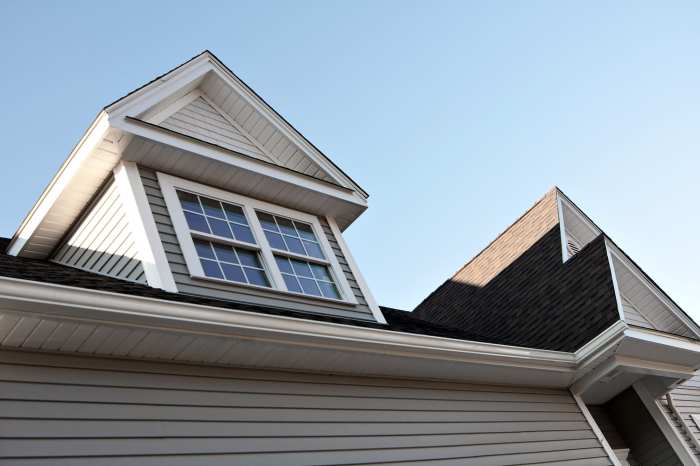
As we conclude this journey through the world of roofing and siding, remember the importance of quality materials, proper installation, and regular maintenance for a lasting and efficient building structure. Dive into the realm of roofing and siding with confidence and knowledge to make informed decisions for your next project.
General Inquiries
How do roofing and siding contribute to the overall structure of a building?
Roofing and siding provide protection against the elements, enhance structural integrity, and add to the aesthetics of a building.
What are the benefits of investing in high-quality roofing and siding materials?
High-quality materials offer better durability, longevity, and energy efficiency, ultimately saving costs in the long run.
What tools are required for a successful roofing and siding installation?
Tools like hammers, nails, drills, ladders, and safety gear are essential for a smooth installation process.
How can roofing and siding impact the energy efficiency of a building?
Properly installed and energy-efficient materials can help regulate indoor temperature, reducing the need for excessive heating or cooling.